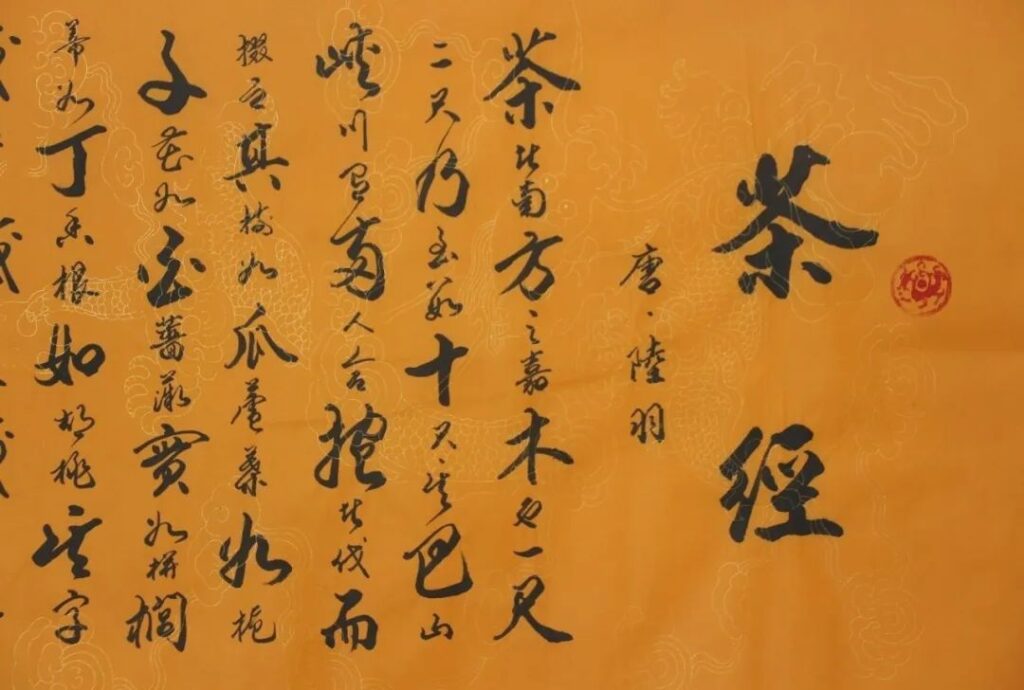
In an era of espresso shots and matcha lattes, the ancient practice of boiling tea might seem like a relic. Yet, this centuries-old method—once cherished from China to the Middle East—is making a quiet comeback among wellness enthusiasts and specialty coffee refugees. Why? Because boiling tea isn’t just about brewing; it’s about slowing down, extracting depth, and transforming leaves into something entirely new.
What Exactly is Boiled Tea?
Unlike steeping, where hot water is poured over leaves and left to infuse, boiling tea involves simmering leaves directly in water for extended periods—sometimes hours. This technique, known as boiled tea in Chinese traditions or used in Tibetan butter tea and Turkish çay, coaxes out robust flavors, complex aromatics, and even hidden health benefits that quick brews leave behind.
The Science of Simmering
When tea is boiled, heat breaks down cell walls in the leaves more彻底 than steeping, releasing compounds like polyphenols, theaflavins, and polysaccharides. These contribute to:
Richness: Boiling extracts umami and sweetness, especially from aged teas like pu-erh or dark oolongs.
Wellness Boost: Higher levels of antioxidants and immune-supporting compounds emerge under prolonged heat.
Low-Caffeine Comfort: Simmering reduces caffeine extraction relative to beneficial compounds, ideal for evening relaxation.
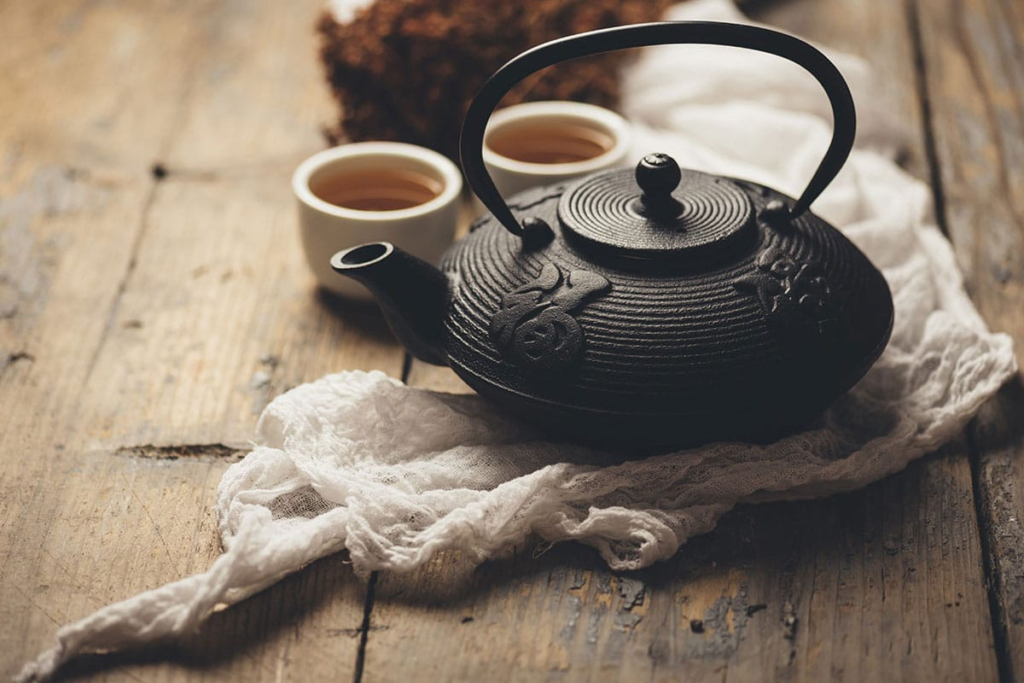
How to Try It at Home
You don’t need special equipment—just a stove, a pot, and curiosity.
Choose Your Tea: Start with sturdy leaves: black tea, pu-erh, aged white tea, or even hardy herbs like chrysanthemum.
Measure: Use 1-2 teaspoons of leaves per cup of water. Rinse briefly if desired.
Boil & Simmer: Bring water and leaves to a boil, then reduce to a low simmer. Let it go for 10-30 minutes (or longer for stronger brews).
Strain & Savor: Pour through a sieve. Enjoy plain, with honey, or a dash of milk—as in classic Tibetan or Hong Kong-style milk tea.
A Ritual for Mindfulness
Beyond flavor, boiling tea forces pause. It’s a meditation—the gentle bubbling, the evolving aroma, the patience required. In a world of instant gratification, this slow ritual offers a tangible connection to history and self-care.
Global Inspirations
Tibetan Po Cha: Boiled with pungent butter and salt for energy in high altitudes.
Turkish Çay: Often simmered in a double-stacked pot for strong, social servings.
English “Stewed Tea”: A vintage approach for extra-strength builder’s tea.
The Takeaway
Boiling tea isn’t about replacing your morning mug—it’s about expanding your palette and pace. It’s for snowy weekends, contemplative moments, or when you crave something profoundly grounding. In reimagining an ancient practice, we might just find a modern remedy for rush. So, grab a pot, and let time slow down with every sip.