Across cultures, the world reveals itself as a rich mosaic of languages, traditions, beliefs, and ways of life. At first glance, cultural differences may seem to separate people, shaping how we dress, eat, communicate, and celebrate. Yet when we look more closely, these differences often highlight a deeper truth: across cultures, human values and emotions are strikingly similar.
One of the most visible expressions of culture is tradition. From festivals and rituals to food and art, traditions carry the stories of generations. While the forms vary—tea ceremonies in East Asia, family feasts in Europe, or colorful dances in Latin America—the purpose is often the same: to bring people together, honor the past, and create shared meaning. Across cultures, traditions act as bridges between history and modern life.
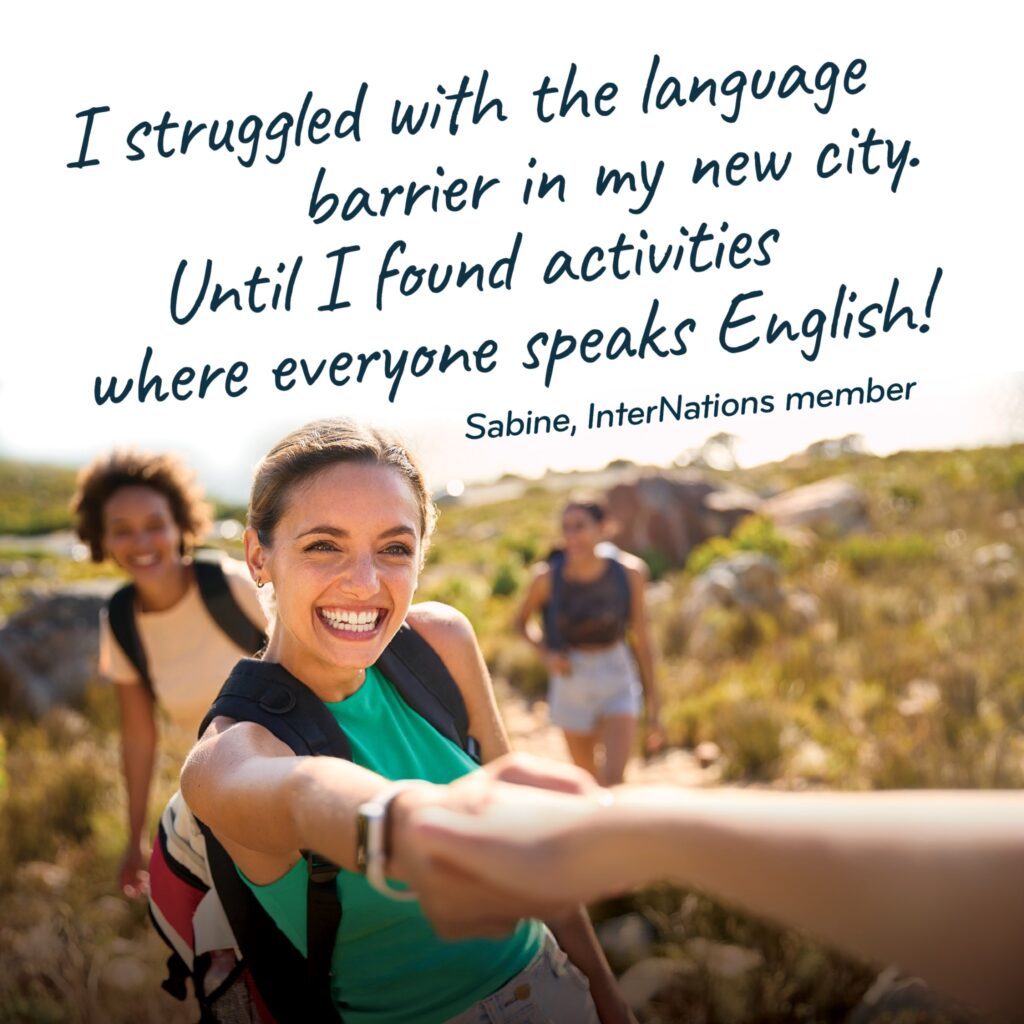
Communication also differs across cultures, not only in language but in gestures, tone, and social norms. Some cultures value direct expression, while others rely on subtle cues and context. Learning to navigate these differences fosters empathy and respect. Across cultures, effective communication is less about perfect words and more about the willingness to listen and understand.
Food is another powerful cultural connector. Each cuisine reflects geography, climate, and history, yet meals everywhere play a central social role. Sharing food is a universal act of hospitality. Across cultures, sitting down to eat together builds trust, strengthens relationships, and turns strangers into friends.
Perhaps most importantly, across cultures, people share common hopes: safety, belonging, happiness, and a better future for the next generation. Love for family, pride in one’s community, and the desire to be understood transcend borders. These shared values remind us that cultural diversity does not divide humanity—it enriches it.
In an increasingly interconnected world, appreciating life across cultures is no longer optional; it is essential. By embracing differences and recognizing what unites us, we create opportunities for cooperation, creativity, and peace. Across cultures, understanding becomes the foundation for a more connected and compassionate global society.