For many in the English-speaking world, tea is a comforting, familiar ritual. A sturdy mug, a quick dunk of a tea bag, a splash of milk—it’s a daily dose of comfort. But step into the world of specialty tea, and you discover an universe of flavour as complex and varied as wine. Tasting tea—really tasting it—is a practice of mindfulness and sensory exploration. It’s about transforming a simple drink into an experience.
Ready to explore the leaves? Here’s how to taste tea.
Step 1: The Setup – It’s All in the Tools
You don’t need a full antique silver set, but a few key items will elevate your tasting:
Loose Leaf Tea: This is non-negotiable. Tea bags often contain “fannings” or “dust,” the smallest particles of the leaf that brew quickly but lack nuance. Whole or large-leaf teas unfold slowly, releasing complex flavours.
A Teapot or Gaiwan: A small pot (around 200-300ml) is perfect. For a more traditional Chinese approach, try a gaiwan—a lidded bowl that allows the leaves to open fully.
A Strainer: To separate the leaves from the liquid after brewing.
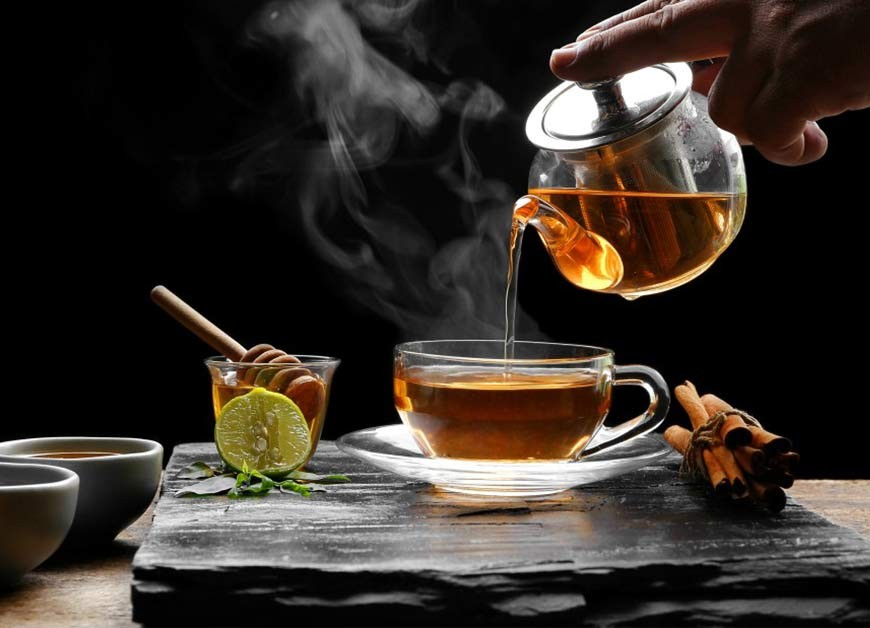
A White Cup: A white or light-coloured interior cup is crucial. It allows you to appreciate the true colour and clarity of the liquor.
Good Water: Tea is over 99% water. Use fresh, filtered water if you can. Avoid re-boiling water, as it becomes deoxygenated and makes the tea taste flat.
Step 2: The Ritual – Engage All Your Senses
Tea tasting is a multi-sensory experience. We use a five-step process: Examine, Smell, Slurp, Savour, and Describe.
1. Examine the Dry Leaf
Before you brew, look at your tea. Is it tightly rolled, like a gunpowder green tea? Long and twisted, like an Assam black? Are there bright yellow buds in your white tea? The appearance tells a story about the tea’s origin and processing.
2. Smell the Dry & Wet Leaf
This is where the magic begins. Smell the dry leaves. You might detect notes of chocolate in a dark oolong, fruit in a Darjeeling, or hay in a white tea.
Now, brew your tea. Use the recommended temperature and time for your specific variety (e.g., green teas often need cooler water around 80°C/175°F to avoid bitterness). After brewing, pour the tea into your cup and immediately smell the now-wet leaves. This “aroused” aroma is often much richer and more complex than the dry leaf. Inhale deeply. What do you smell? Flowers? Toast? Earth?
3. Slurp the Tea
Yes, slurp! This isn’t about manners; it’s about science. Take a spoonful of tea (or a small sip) and audibly slurp it. This aerates the tea, spraying it across your entire palate and into your retro-nasal passage, allowing you to taste every dimension of flavour.
4. Savour the Sensation
Pay attention to the feel of the tea in your mouth, known as **mouthfeel**. Is it smooth and creamy? Sharp and astringent (that dry, puckering feeling)? Astringency isn’t necessarily bad—it provides structure, like tannins in red wine.
Next, notice the **finish**. What flavour lingers on your palate after you’ve swallowed? A good quality tea will have a long, pleasant aftertaste.
5. Describe What You Experience
Don’t worry about getting it “right.” The goal is to connect with your own perception. Use simple words: sweet, grassy, smoky, malty, floral, nutty. Over time, your vocabulary will grow. Comparing two teas side-by-side is a fantastic way to train your palate.
A Quick Word on Types & Tastes
White Tea: Delicate, sweet, floral, with notes of melon or honey.
Green Tea: Ranges from grassy and vegetable-like (steamed Japanese greens) to toasty and nutty (pan-fired Chinese greens).
Oolong Tea: The most diverse category. Can be floral and creamy or dark and roasted with notes of stone fruit.
Black Tea: Often bold and robust. Notes can include malt, chocolate, dried fruit, citrus, or even spice.
Pu-erh Tea: An aged, fermented tea from China. Deep, earthy, and complex, often described as “woody,” “mushroomy,” or “like rich soil.”
The Takeaway: Your Palate, Your Rules
The world of tea is vast and endlessly fascinating, but it needn’t be intimidating. The most important rule is to drink what you enjoy. This guide isn’t about creating snobbery; it’s about adding a new layer of appreciation to your daily cup. It’s a moment of pause, a practice in mindfulness, and a delicious journey for your senses.
So, put the kettle on, grab some loose leaves, and start your adventure. Your perfect cup is waiting to be discovered.