Photography has become a part of everyday life in the United States. From capturing road trips across national parks to snapping candid moments at family barbecues, more people than ever want their photos to look professional—without needing expensive gear. Whether you’re using a smartphone or a DSLR, these photography tips will help you take better photos instantly.
1. Learn to Use Natural Light
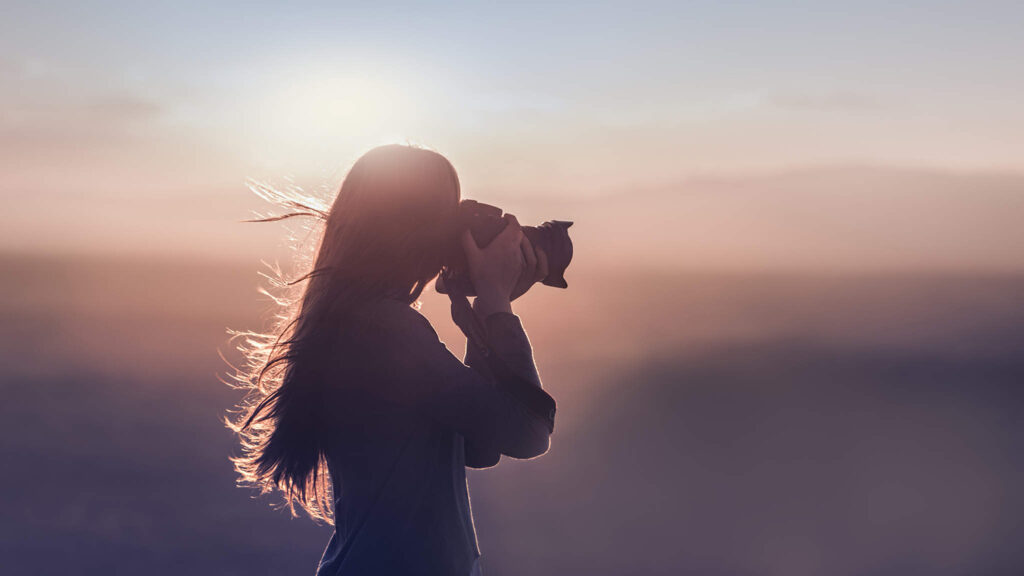
Natural light is one of the most powerful tools in photography, and it’s completely free. Early morning and late afternoon—often called “golden hour”—offer soft, warm lighting that flatters almost any subject. Avoid harsh midday sun when possible, as it creates strong shadows and blown-out highlights. Indoors, shoot near windows and turn off overhead lights for cleaner results.
2. Master Simple Composition Rules
Good composition can turn an ordinary scene into a striking photo. The rule of thirds is a great place to start: imagine your frame divided into a 3×3 grid and place your subject along the lines or intersections. This technique is widely used in landscape, portrait, and travel photography across the U.S. and instantly makes photos feel more balanced and intentional.
3. Don’t Rely Only on Auto Mode
Auto mode is convenient, but learning basic manual controls can dramatically improve your images. Understanding ISO, shutter speed, and aperture gives you control over brightness, motion, and background blur. Even smartphone cameras now allow manual adjustments—perfect for night shots, sports photography, or low-light indoor scenes.
4. Focus on Storytelling
Great photography isn’t just about sharp images—it’s about telling a story. Americans often connect with photos that feel real and emotional, whether it’s a child laughing, a quiet street at sunset, or a behind-the-scenes moment. Ask yourself what you want the viewer to feel before you press the shutter.
5. Edit Lightly, Not Excessively
Photo editing can enhance an image, but over-editing can make it look unnatural. Adjust brightness, contrast, and color balance subtly. Popular editing apps like Lightroom and Snapseed are widely used in the U.S. because they offer powerful tools while keeping photos realistic.
6. Practice with Everyday Subjects
You don’t need exotic locations to improve your photography. Practice with everyday scenes—your neighborhood, pets, food, or local parks. Consistent practice is the fastest way to develop your eye and discover your personal style.
7. Study Photos You Love
Look at photography styles that resonate with you, whether it’s travel, lifestyle, or street photography. Platforms like Instagram and photography blogs are great sources of inspiration. Pay attention to lighting, framing, and mood, then try applying those elements to your own work.
Final Thoughts
Photography is a skill anyone can learn with patience and practice. By focusing on light, composition, and storytelling, you can create images that feel authentic and engaging—photos people actually want to look at and share. Start small, keep shooting, and most importantly, enjoy the process.