
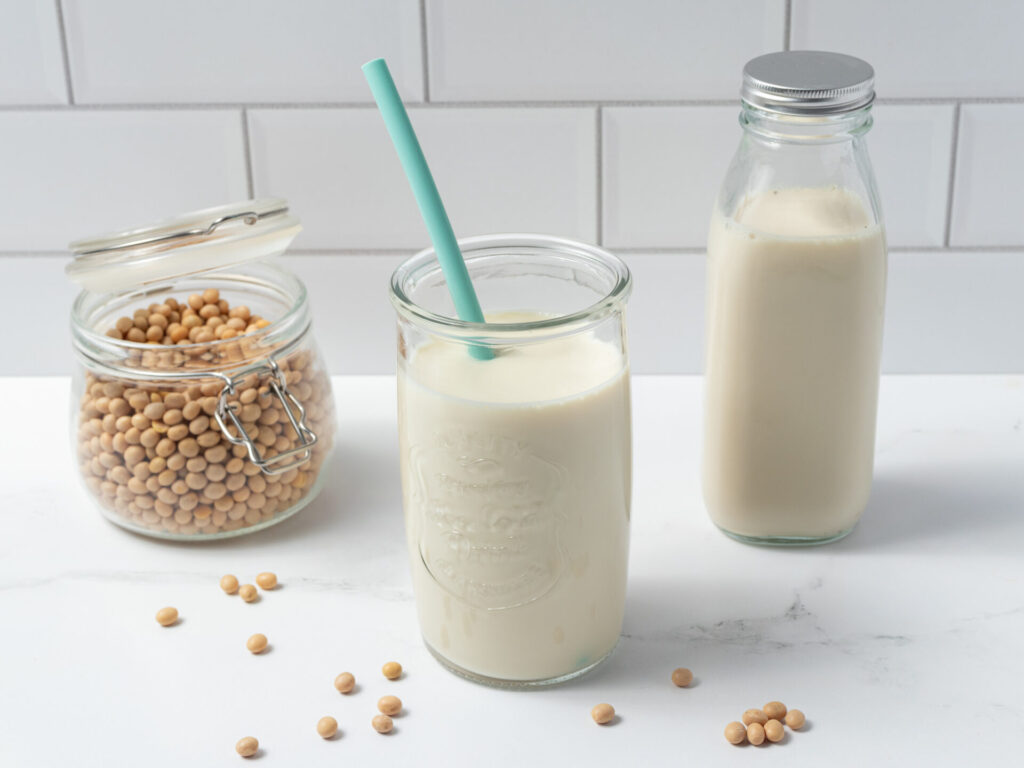
In a world where the quest for health, sustainability, and culinary diversity is ever-growing, soy milk has emerged from its traditional Asian roots to become a global pantry staple. More than just a plant-based alternative, this creamy, ivory-colored beverage is a nutritional powerhouse, a cultural bridge, and a testament to the innovation of food science.
From Ancient Bean to Modern Marvel
Soy milk’s story begins over two millennia ago in China. Historical records suggest it was first crafted during the Han Dynasty, likely discovered as a byproduct of tofu production. For centuries, it remained a cornerstone of East Asian cuisine, valued for its mild taste and versatility. Its journey to the West, however, is a modern tale. Initially found only in niche health food stores, soy milk’s popularity exploded in the late 20th and early 21st centuries. This surge was driven by rising lactose intolerance, growing vegan and vegetarian movements, heightened environmental awareness, and a collective desire for cleaner eating.
A Sip of Sustenance: Nutrition Unleashed
At its core, soy milk’s appeal is rooted in its impressive nutritional profile. It is a complete plant-based protein, containing all nine essential amino acids—a rarity in the plant kingdom. This makes it a crucial protein source for those avoiding animal products. Unlike cow’s milk, it is naturally cholesterol-free and low in saturated fat. Furthermore, it is often fortified with calcium, vitamin D, and vitamin B12, matching or exceeding the micronutrient content of dairy milk.
For many, its greatest gift is digestive ease. Being lactose-free, it offers a comfortable solution for the estimated 68% of the global population with lactose malabsorption. Beyond this, soy contains isoflavones, plant compounds studied for their potential role in supporting heart health and moderating menopause symptoms, though research in these areas continues.
The Taste of Choice: Versatility in a Carton
One of soy milk’s greatest strengths is its adaptability. Plain and unsweetened, it has a distinctive, slightly nutty, and bean-like flavor—an authentic taste cherished by many. For those new to it or preferring a neutral base, vanilla or sweetened varieties offer a smoother introduction. Its culinary applications are boundless: it steams perfectly for latte art in coffee shops, blends seamlessly into smoothies, pours over cereal, and works wonderfully in both sweet and savory cooking, from creamy soups and sauces to baked goods and puddings.
A Choice for the Planet
The environmental argument for soy milk is compelling. Compared to dairy farming, soy milk production generally requires significantly less water and land and generates far lower greenhouse gas emissions. While concerns about deforestation linked to soy agriculture exist, it is crucial to note that the vast majority of globally grown soy is used for animal feed, not direct human consumption like soy milk. Choosing soy milk directly is a more efficient use of the crop.
Navigating the Landscape: Considerations and Choices
Soy milk is not without its debates. Some individuals have soy allergies. Others raise concerns about genetically modified (GM) soybeans and the environmental impact of large-scale monocultures. In response, the market now offers a wealth of options: organic (which is non-GMO by certification), non-GMO project verified, and brands sourcing from regions with sustainable practices. As with any food, moderation and informed choice are key.
Conclusion
Soy milk is far more than a substitute; it is a food with its own rich history, identity, and benefits. It represents a conscious choice—for personal health, for animal welfare, and for the planet’s well-being. From the quiet tradition of an ancient Chinese kitchen to the bustling shelves of supermarkets worldwide, soy milk has proven its enduring value. In every quiet pour into a morning coffee or hearty blend into a soup, it offers a simple, nourishing testament to how ancient wisdom can seamlessly nourish modern life.

