
In the ever-evolving world of beverages, where classic teas and artisan coffees have long reigned, a vibrant and refreshing contender has steadily steeped its way into global popularity: fruit tea. More than just a simple infusion, fruit tea represents a delightful fusion of nature’s candy and the ancient craft of tea-making, resulting in a drink that is as visually appealing as it is delicious.
At its core, fruit tea is an infusion made by steeping pieces of fresh, dried, or frozen fruit, often combined with herbs, flowers, and sometimes a base of black, green, white, or herbal tea (like hibiscus or rooibos). Unlike its sugary, powdered namesakes, true fruit tea celebrates the natural essence of its ingredients. The hot water acts as a solvent, coaxing out the complex flavors—the bright acidity of berries, the tropical sweetness of mango, the subtle tartness of apple, and the citrusy zing of orange peel.
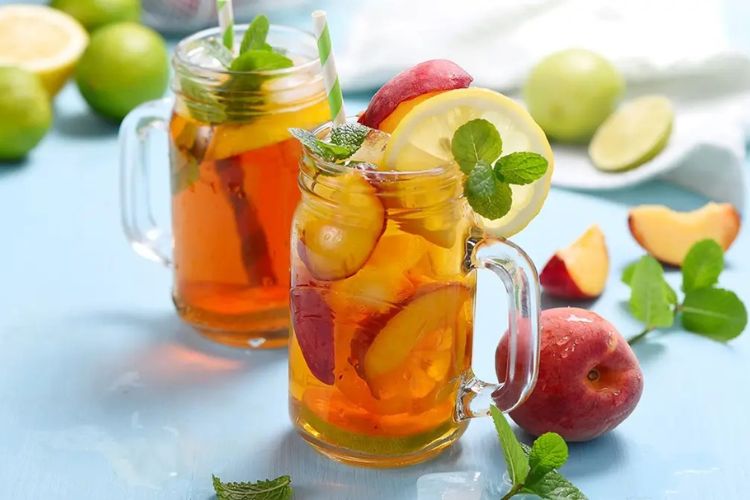
The beauty of fruit tea lies in its versatility. Served hot, it is a comforting, caffeine-free elixir, perfect for a cozy evening. The steam carries an aromatic bouquet that is an experience in itself—a promise of the sip to come. When poured over ice, it transforms into the ultimate summer refresher. Each glass, often adorned with floating slices of real fruit, becomes a masterpiece of layered colors, from deep ruby reds to sunny golden yellows and soft sunset pinks.
Furthermore, fruit tea aligns perfectly with contemporary wellness trends. It is inherently hydrating and packed with the vitamins, antioxidants, and polyphenols native to its ingredients. A blend with lemon, ginger, and honey is a time-honored remedy for a sore throat, while a mix of berries offers a potent dose of antioxidants. For those mindful of their sugar intake, it provides a flavorful alternative to soda and juice, as its natural sweetness often requires little to no added sugar.
The creative possibilities are endless. From single-note infusions like peach or lemon to sophisticated blends like “forest berries with a hint of vanilla” or “passionfruit and orange with rosehips,” there is a fruit tea for every palate. It invites experimentation, encouraging drinkers to mix their own combinations, add fresh mint or a cinnamon stick, and tailor each cup to their mood.
Beyond the individual cup, fruit tea has cultivated a social ritual. It is the centerpiece of relaxed afternoon gatherings, a elegant offering at brunches, and a sophisticated non-alcoholic option at dinners. It speaks of a conscious choice—a preference for flavor that is vibrant yet gentle, stimulating yet calming.
In conclusion, fruit tea is more than just a trend; it is a celebration of simplicity and nature’s bounty. It bridges the gap between the timeless tradition of tea and a modern desire for vibrant, health-conscious, and Instagram-worthy indulgences. With every fragrant sip, it offers a moment of refreshment, a burst of natural flavor, and a gentle reminder of the simple joys found in a perfectly brewed cup.

