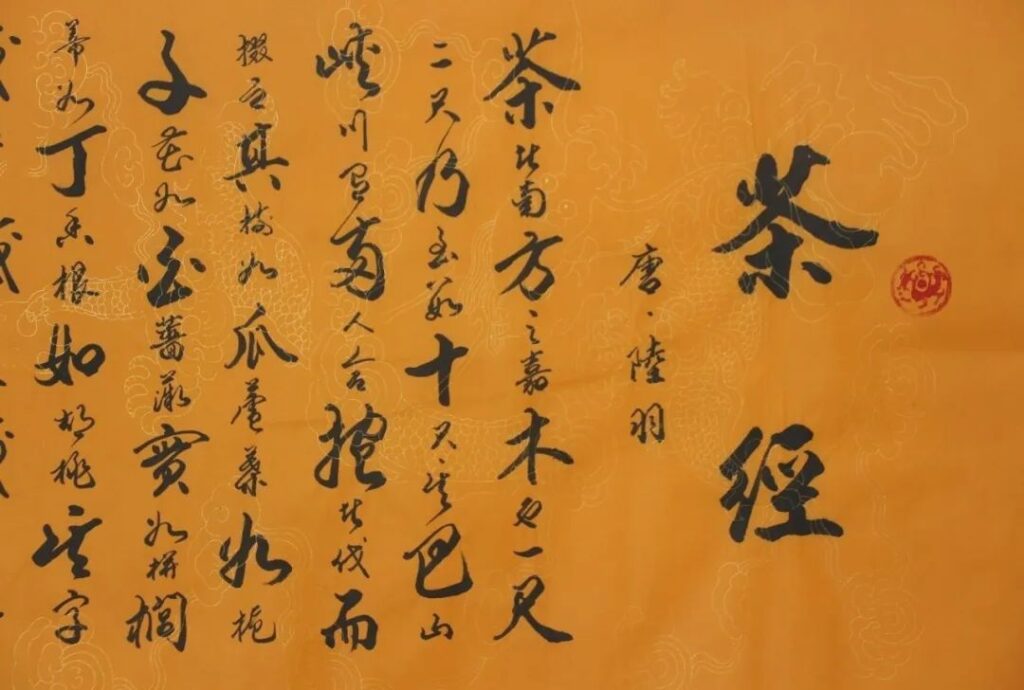
In a world often dominated by the hurried gulp of coffee, a quieter, more contemplative ritual is capturing the imagination of the English-speaking world: the ancient art of tea ceremony. This is not merely about brewing a beverage; it’s a profound practice of mindfulness, aesthetics, and connection that transcends cultures and continents.
For many in the West, tea has long been a simple, comforting constant—a builder of Brits or a quick herbal remedy. Yet, a growing curiosity is moving beyond the tea bag, diving deep into the rich traditions of East Asia, particularly the Zen-inspired Japanese Chanoyu and the graceful Chinese Gong Fu Cha.
More Than a Drink: A Philosophy in a Bowl
What is it about these ceremonies that fascinates?
It is the stark contrast to modern life’s frenzy. The tea ceremony is a choreographed practice of **presence**. Every movement is intentional, from the way the whisk froths the vibrant green matcha in Japan to the precise, elevated pour of water from a Chinese Gaiwan. It demands that participants slow down, engaging all senses: the sound of boiling water, the sight of steam rising, the texture of the ceramic bowl, the aroma of unfurling leaves, and the complex, evolving taste of the tea itself.
This mindful practice is a form of active meditation. It’s not about emptying the mind, but about focusing it completely on a single, beautiful task. In our always-connected, notification-driven lives, this offers a rare sanctuary of calm and intentionality.
The Allure of the Tools
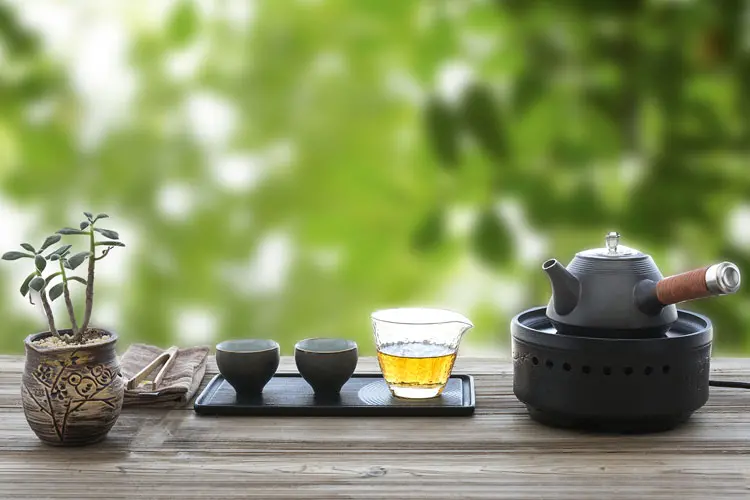
A significant part of the appeal lies in the artistry of the implements. Tea enthusiasts delight in the unique **wabi-sabi** aesthetic of Japanese chawan (tea bowls), which find beauty in imperfection and asymmetry. They admire the delicate craftsmanship of Yixing clay teapots, prized for how they absorb the character of the tea brewed within them over a lifetime.
Collecting and understanding these tools becomes a hobby in itself—a tangible connection to history and craftsmanship.
A Gateway to Culture and Connection
Learning about tea ceremony is a gateway to understanding philosophy, history, and art. It’s intertwined with principles of Zen Buddhism, Taoist harmony, and Confucian respect. For Westerners, it’s a hands-on way to engage with these complex ideas in a tangible, experiential manner.
Moreover, at its heart, the ceremony is about connection—between host and guest, between humanity and nature. The host prepares the tea with utmost care and respect for the guest, who receives it with gratitude. It creates a sacred space for genuine, uninterrupted human interaction, a concept more valuable than ever.
How to Begin Your Own Tea Journey
You don’t need a full kimono or a expensive set to start. The beauty of this art is that its principles can be incorporated anywhere:
1. Start with Loose Leaf: Ditch the tea bags. Explore the vast world of loose-leaf tea—from a delicate White Silver Needle to a robust Da Hong Pao oolong. Taste the difference terroir makes.
2. Mind Your Water: The water quality and temperature are crucial. Green teas often need cooler water to avoid bitterness, while black and pu’erh teas require a rolling boil.
3. Invest in One Good Pot: A simple ceramic or glass pot is a perfect start. For a more immersive experience, a small Gaiwan set is inexpensive and deeply rewarding.
4. Be Present: The next time you make tea, don’t multitask. Watch the leaves unfurl. Smell the aroma. Taste the different notes with each sip. This simple act of focus is the very essence of the practice.
The global interest in tea art is a testament to a universal yearning for slowness, meaning, and authentic experience. It reminds us that in the simple act of preparing and sharing a cup of tea, we can find a moment of peace, a spark of beauty, and a deeper connection to the world and to each other. It is, ultimately, a sip of serenity.