For many, black tea is the comforting embrace of a morning ritual or the steady companion during an afternoon slump. But beyond the familiar tea bag lies a world of complexity, nuance, and flavor waiting to be discovered. If you think all black tea tastes the same, prepare for a delightful awakening. Here’s how to elevate your cuppa from simple to sublime.
Beyond the Bag: Discovering Single-Origin Teas
The first step to a remarkable cup is to explore single-origin teas. Much like fine wine, a tea’s character is profoundly shaped by its terroir—the soil, climate, and altitude where it’s grown.
Assam (India): Hailing from northeastern India, Assam teas are known for their robust, malty, and full-bodied character. They are the powerhouse behind many classic breakfast blends and are perfect with a splash of milk and sugar.
Darjeeling (India): Grown in the misty Himalayan foothills, Darjeeling is often called the “Champagne of Teas.” It’s typically more delicate, aromatic, and floral, with muscatel notes. Best enjoyed without milk to appreciate its intricate profile.
Ceylon (Sri Lanka): Ceylon teas offer a wide range, but are often bright, citrusy, and brisk with a hint of spice. They are incredibly versatile and make a fantastic iced tea.
Keemun (China): A cornerstone of English Breakfast blends, Keemun is celebrated for its smooth, well-rounded flavor with notes of stone fruit, cocoa, and a subtle smokiness. It’s less astringent than many Indian varieties.
Yunnan (China): These teas are rich and earthy with a distinctive peppery note and hints of sweet chocolate. A great choice for those who enjoy a complex, satisfying cup.
The Brewing Ritual: Unlocking the Flavor
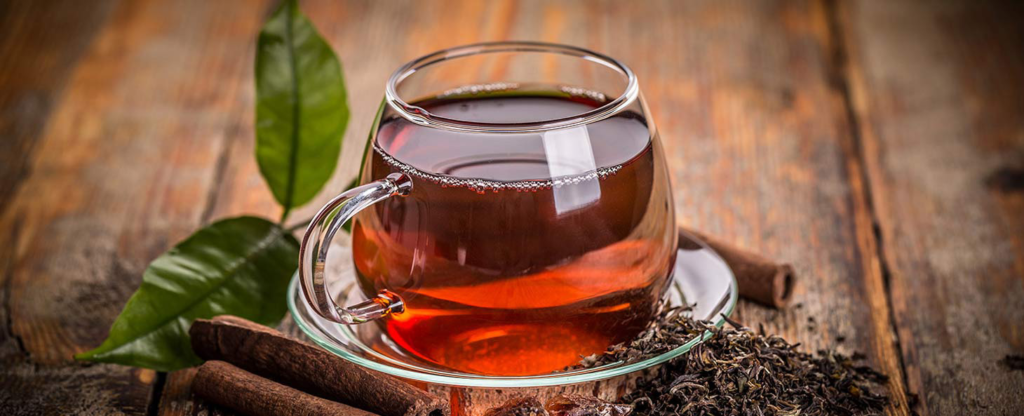
The secret to a perfect cup isn’t a mystery; it’s a matter of precision.
Start with Good Water: The water is the base of your tea. Always use fresh, cold filtered water. Avoid re-boiling water, as it becomes deoxygenated and will make your tea taste flat.
Measure Your Tea: For a standard 8 oz cup, use one heaping teaspoon of loose-leaf tea (or one tea bag). Quality matters—loose-leaf tea, with its larger leaves, generally provides a fuller flavor than the broken leaves in most tea bags.
Mind the Temperature: Black tea requires boiling water (212°F or 100°C) to properly extract its flavors. Don’t settle for water that’s merely “hot.”
Time It Right: The biggest brewing mistake is over-steeping, which releases excessive tannins, making the tea bitter. For most black teas, a steeping time of 3-5 minutes is ideal. Taste it at 3 minutes and decide if you want it stronger.
Prepare Your Vessel: Warm your teapot or cup first with a splash of hot water. This helps maintain the brewing temperature for optimal extraction.
The Modern Twist: Beyond the Classic Cuppa
While a traditional brew is timeless, the world of black tea is ripe for experimentation.
The Ultimate Iced Tea: Don’t just pour hot tea over ice—it dilutes the flavor. Try the cold brew method. Add tea to a pitcher of cold water and refrigerate for 6-12 hours. The slow steep results in an incredibly smooth, sweet tea with no bitterness.
Tea-Based Cocktails: Use strongly brewed, chilled black tea as a base for cocktails. It adds depth and complexity to an Old Fashioned or a refreshing twist in a tea-infused spritz.
Culinary Adventures: Use brewed black tea as a liquid in baking—think Earl Grey scones or Chai-spiced cake. The steeped tea imparts a subtle, sophisticated flavor you can’t get with extracts.
Ultimately, the journey to a delicious cup of black tea is a personal one. It’s about exploring different origins, mastering the simple art of brewing, and perhaps trying something new. So, put the kettle on, slow down, and savor the process. Your perfect cup is out there waiting to be brewed.