For centuries, tea has been a beloved beverage across the globe, celebrated for its soothing properties, rich flavors, and cultural significance. But did you know that when you drink your tea can significantly enhance its benefits? Whether you’re a dedicated Earl Grey enthusiast or a matcha lover, understanding the best times to enjoy your cup can elevate your experience—and your well-being.
Morning: The Energizing Start
For many, tea is the perfect morning alternative to coffee. The natural caffeine in black teas like English Breakfast or Assam provides a gentle, sustained energy boost without the jitters often associated with coffee. The key here is to enjoy your first cup after breakfast. Drinking tea on an empty stomach may cause acidity for some, so pair it with a meal to kickstart your day with clarity and calm.
Mid-Morning: The Focus Booster
Around 10:30 AM, many experience a natural dip in energy. This is an ideal time for a cup of green tea, which contains L-theanine—an amino acid that promotes relaxation without drowsiness. The combination of L-theanine and caffeine enhances focus and productivity, making it the perfect companion for tackling demanding tasks.
After Lunch: The Digestive Aid
In many cultures, tea is enjoyed after meals to aid digestion. Herbal teas like peppermint or ginger are excellent choices here—they can soothe the stomach and reduce bloating. For a more traditional option, try oolong tea, which is known to help metabolize fats. Avoid drinking tea immediately after eating, as tannins can inhibit iron absorption. Wait at least 30 minutes post-meal for optimal benefits.
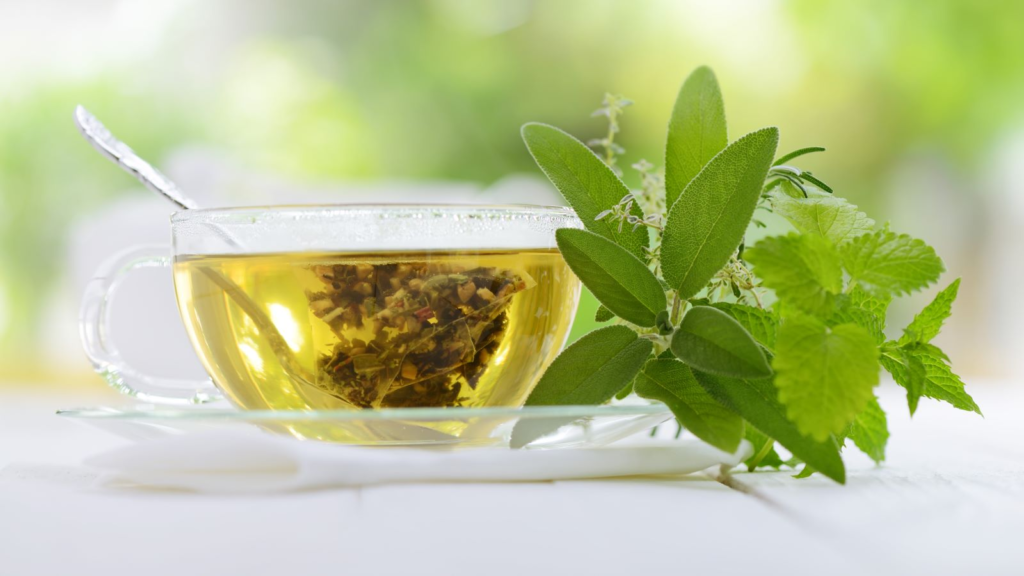
Afternoon: The Gentle Pick-Me-Up
The infamous 3 PM slump is real. Instead of reaching for sugary snacks or another coffee, brew a cup of white tea or light oolong. These varieties are low in caffeine but high in antioxidants, providing a subtle lift without disrupting your sleep later. This is also a great moment for a mindful tea break—a chance to pause, recharge, and appreciate the ritual.
Evening: The Wind-Down Ritual
As day turns to night, caffeine-free options are your best friends. Herbal blends like chamomile, rooibos, or lavender tea are renowned for their calming properties. They help signal to your body that it’s time to unwind, preparing you for restful sleep. Avoid caffeine after 5 PM, as it can interfere with your sleep cycle—even if you don’t feel immediately affected.
Special Considerations
During Illness: Ginger or echinacea tea can support immunity, while peppermint may ease headaches.
After Exercise: Rehydrate with antioxidant-rich green tea to combat oxidative stress.
In Cold Weather: Spiced chai or hearty pu-erh tea can warm you from within.
Listen to Your Body
Ultimately, the “best” time to drink tea is when it feels right for you. Experiment with different varieties and timings to discover what works with your rhythm. Tea is not just a drink—it’s a versatile tool for enhancing daily life, one sip at a time.
So go ahead, put the kettle on. Your perfect cup awaits.