
Western afternoon tea is more than a simple meal—it is a refined cultural ritual that blends history, elegance, and social connection. Originating in Britain and later embraced across Europe and beyond, afternoon tea represents a graceful pause in the day, offering both nourishment and a sense of calm amid a busy lifestyle.
The Origins of Afternoon Tea
Afternoon tea dates back to early 19th-century England. At that time, dinner was often served late in the evening, leaving a long gap between lunch and dinner. Anna, the 7th Duchess of Bedford, is widely credited with popularizing the tradition. She began requesting a light meal of tea, bread, and small cakes in the afternoon to ease her hunger. Soon, this private habit became a fashionable social event among the upper class, eventually spreading throughout British society and into Western culture at large.
The Core Elements of a Classic Afternoon Tea
A traditional Western afternoon tea typically includes three key components: tea, savory bites, and sweet treats. The tea itself is central, with classic options such as Earl Grey, English Breakfast, Darjeeling, and Assam being widely favored. Herbal and floral teas have also become popular in modern settings.
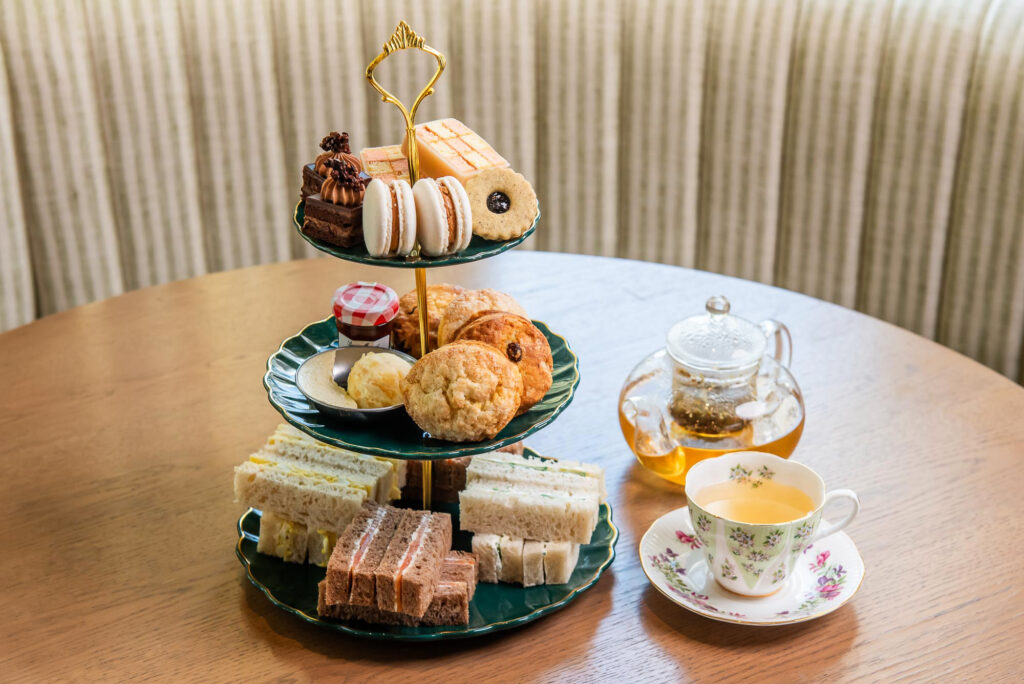
Food is usually served on a tiered stand. The bottom tier features savory items such as finger sandwiches filled with cucumber, smoked salmon, egg salad, or ham. The middle tier is reserved for scones, often served warm and accompanied by clotted cream and fruit preserves. The top tier showcases delicate pastries and desserts, including macarons, éclairs, tarts, and sponge cakes.
Etiquette and Atmosphere
Afternoon tea is known for its refined etiquette, though modern interpretations are often more relaxed. Traditionally, tea is poured before milk, cups are held by the handle without extending the pinky finger, and small bites are taken to maintain a graceful appearance. The atmosphere is just as important as the food—soft music, fine china, linen tablecloths, and fresh flowers all contribute to a sense of elegance and tranquility.
Afternoon Tea in Modern Western Culture
Today, afternoon tea has evolved to suit contemporary tastes and lifestyles. Luxury hotels, cafés, and restaurants around the world offer themed afternoon teas inspired by seasons, holidays, or fashion collaborations. Health-conscious variations may include gluten-free pastries, vegan options, or lighter teas. Despite these modern twists, the essence of afternoon tea—a moment of leisure and connection—remains unchanged.
The Enduring Appeal
The lasting charm of Western afternoon tea lies in its ability to slow time. It encourages people to step away from screens, engage in conversation, and savor the present moment. Whether enjoyed in a grand hotel or at home with friends, afternoon tea continues to symbolize comfort, refinement, and the simple pleasure of sharing a well-prepared cup of tea.
In a fast-paced world, Western afternoon tea stands as a gentle reminder that elegance and mindfulness can still be part of everyday life.

