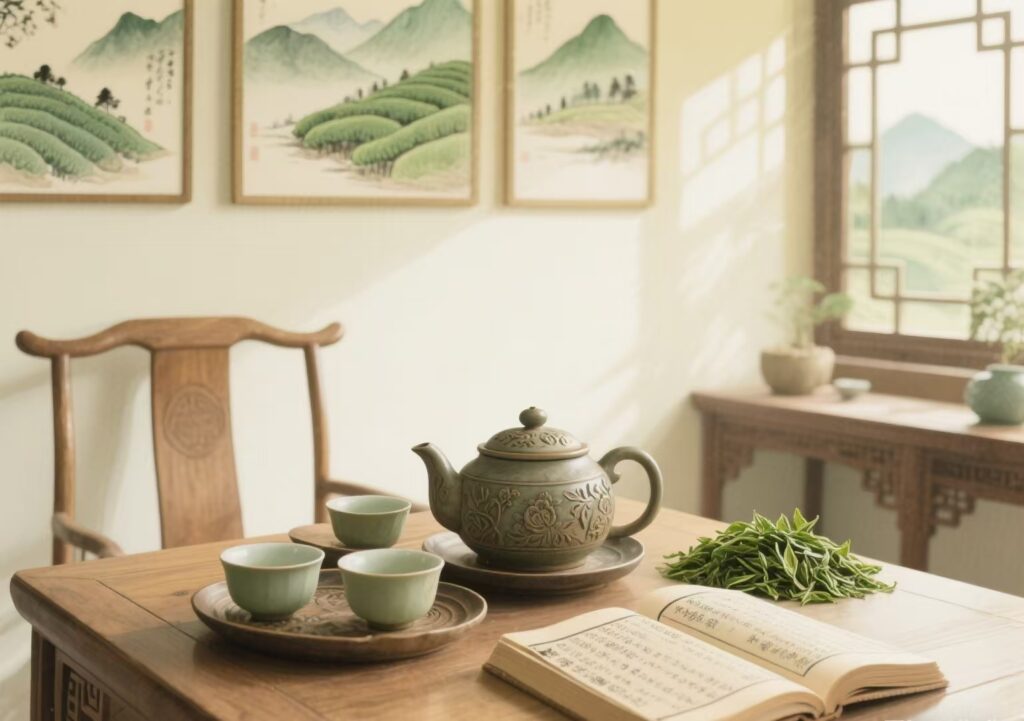
If you think tea is just a bag you dip into hot water while checking emails, let me stop you right there. In China, tea is not just a drink—it’s a lifestyle, a philosophy, and sometimes even a competitive sport (no kidding, you should see the speed at which some tea masters pour without spilling a drop).
☯️ Origins: Tea Wasn’t Always a Calm Drink
Legend has it that back in 2737 BC, Emperor Shen Nong accidentally discovered tea when some leaves blew into his boiling pot of water. Imagine being the first person in history to say, “Huh, leaves soup actually tastes nice.” That accident launched a 5,000-year caffeine empire.
🍵 Varieties: More Than Just “Green” and “Black”
In China, saying “I like tea” without specifying which kind is like saying “I like food” and expecting the waiter to guess whether you want sushi or pizza. The main categories are:
- Green Tea – Light, refreshing, perfect if you want to feel healthy and judge people drinking soda.
- Black Tea – Bold, strong, and great for mornings when you question all your life decisions.
- Oolong Tea – The drama queen of teas, living somewhere between green and black, refusing to be defined.
- Pu-erh Tea – Fermented, aged, and earthy—basically the fine wine of the tea world.
- White Tea – Minimalist, delicate, and ironically, not very white.
🍶 Brewing: It’s an Art, Not Just Boiling Water
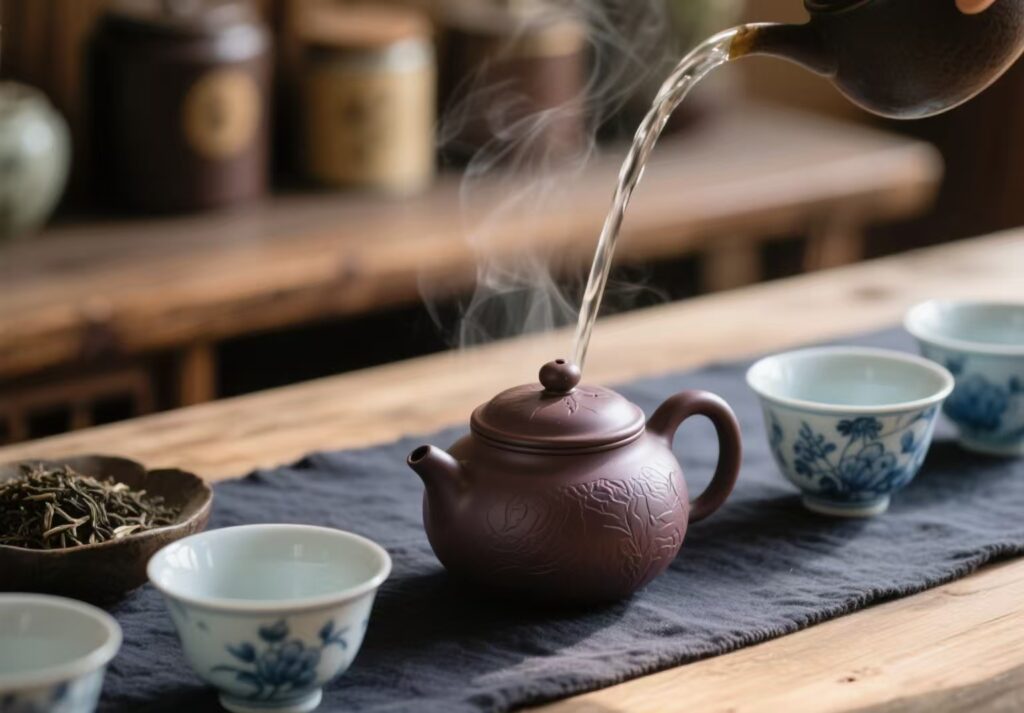
The Chinese tea ceremony is called Gongfu Cha. Don’t worry, it doesn’t involve martial arts, but it does require focus and precision. Every detail matters—the teapot, the temperature, even how you hold the cup. Think of it as meditation with caffeine perks.
And here’s a secret: if you pour boiling water straight onto delicate green tea leaves, you’re basically committing tea murder.
😋 Benefits: Beyond Just “Staying Awake”
Sure, tea has caffeine, but it also comes with antioxidants, digestive magic, and that smug sense of being healthier than your coffee-drinking colleagues. Ancient Chinese doctors even prescribed tea for headaches, bad digestion, and awkward social situations (okay, maybe not the last one, but it works).
😂 Fun Fact: Tea as a Social Superpower
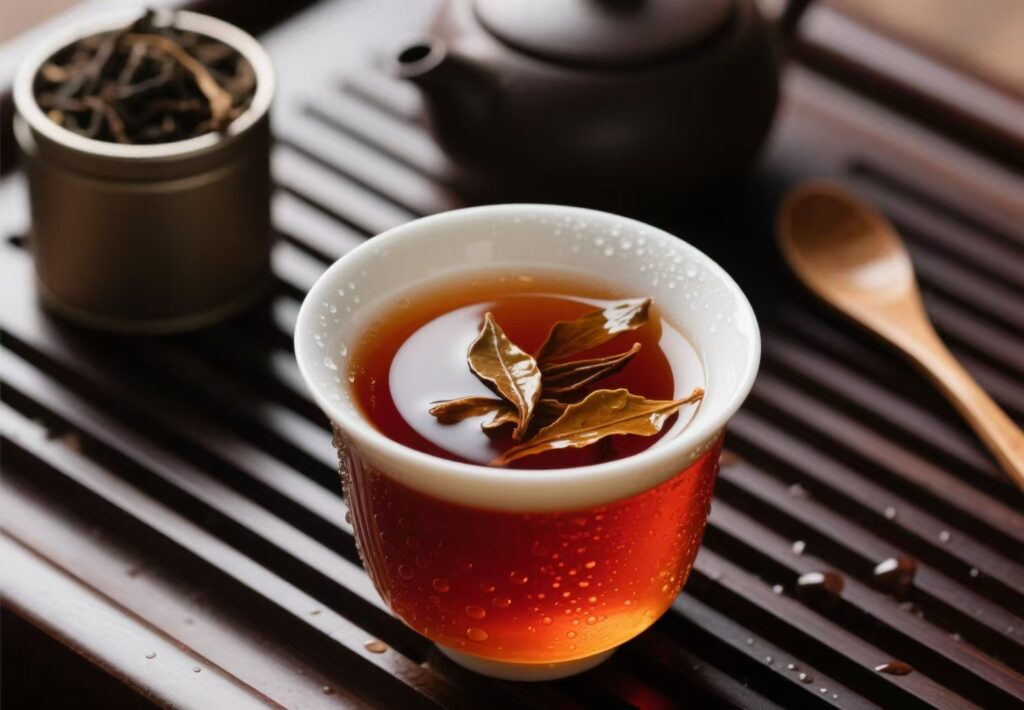
In China, offering someone tea isn’t just about being polite—it’s a way of saying, “Relax, you’re welcome here.” Refusing tea can feel like refusing friendship. So if a Chinese friend pours you tea, take it. Even if you’re already vibrating from caffeine.
Final Sip ☕
Chinese tea culture is thousands of years old, but it’s anything but boring. It’s history, health, and hospitality steeped in a little porcelain cup. Next time you sip your brew, remember: you’re not just drinking tea—you’re sipping on 5,000 years of stories.